Patellofemoral/Anterior Knee Pain
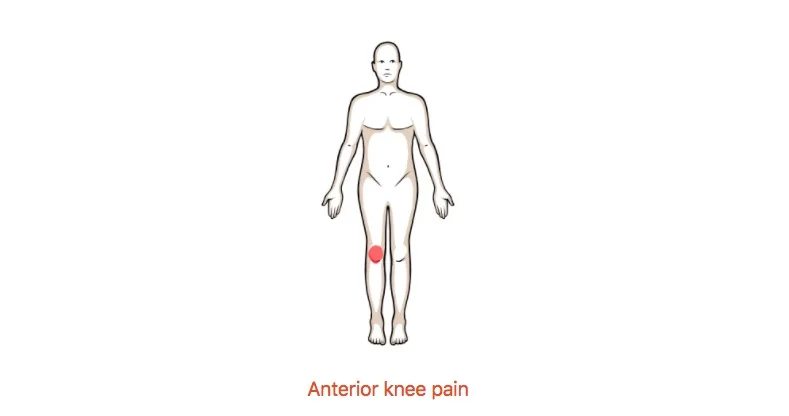
Patella femoral pain is one of the most common problems found in physical therapy clinics. This pain pattern presents with pain behind the knee cap and pain with repetitive sporting activities such as squatting and jumping. Look below for some things to consider!
If you do not know the common clinical findings no problem! Click here
Anatomy
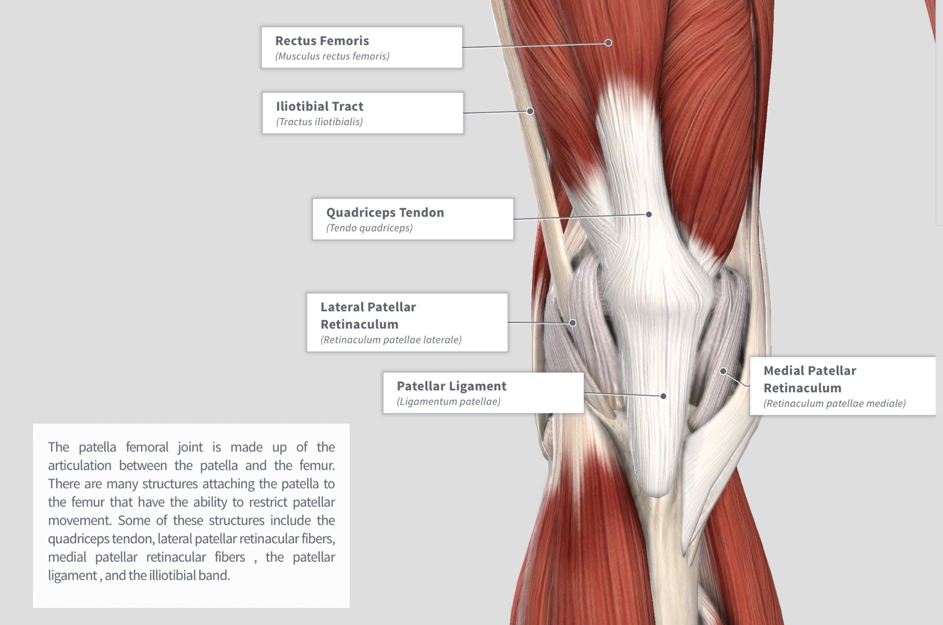
Image via Complete Anatomy 2018 by 3D4 Medical
Common Movement Fault
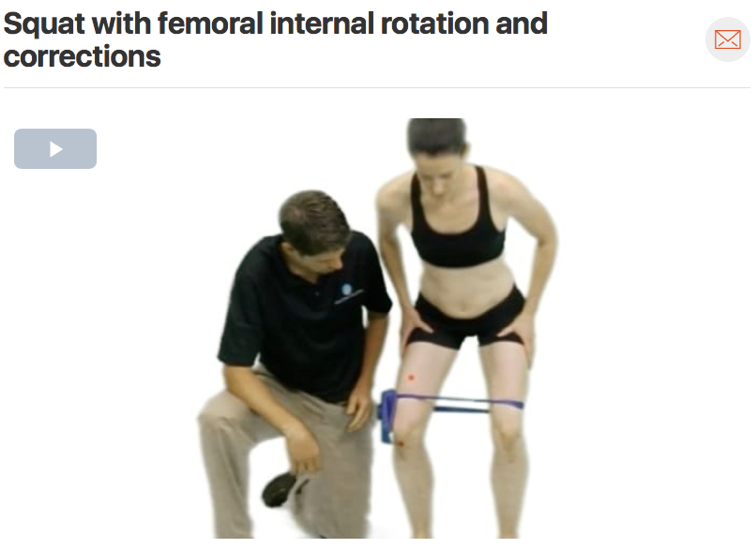
If you suspect patella femoral knee pain in your patient consider watching your patient squat and check for any movement faults. Commonly you will see your patient’s knees dive in (valgus), which we call the adduction/internal rotation movement fault. This movement puts more stress through the knee joint which overtime can cause anterior knee pain.
Special Tests

The eccentric step down test is a provocative test to attempt to bring on the patient’s anterior knee pain. This test is great because it doubles as a movement analysis. Assess the patient for quality of movement as well as seeing if the movement brings on the patient’s pain. (Click image to watch 1-2 minute video)
Treatment

Ensure your patient has full knee range of motion before working on strengthening and other higher level activities. A stiff rectus femoris muscle is a common impairment with patella femoral pain syndrome.
Therapeutic Exercise
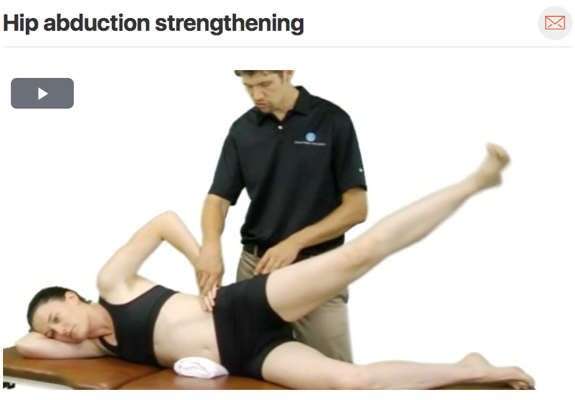
Once full range of motion of the knee has been achieved it is important to work on strengthening of both the gluteus medius and maximus muscles. These muscles control the movement of the femur and when trained can prevent the femur from adducting and internally rotating. Both motor control and muscle strength are important to target with patella femoral pain syndrome. (Click image to watch 1-2 minute video)